
Words on Pictures
Cromwell's lip and other things to come...

So how to start this thing?
Let’s try this:
Last Sunday we took our daughter to ‘Gray Day’ at the Oran Mor, in Glasgow, a recurring event dedicated to the legacy of Alasdair Gray, the novelist and visual artist who has recently gained wider prominence through Yorges Lanthimos’ adaptation of his novel Poor Things. As my wife and I had been married in Oran Mor just over ten years beforehand, I confess that the opportunity to revisit and reminisce over what happened in sight of his murals took some precedence over any specific literary pilgrimage.
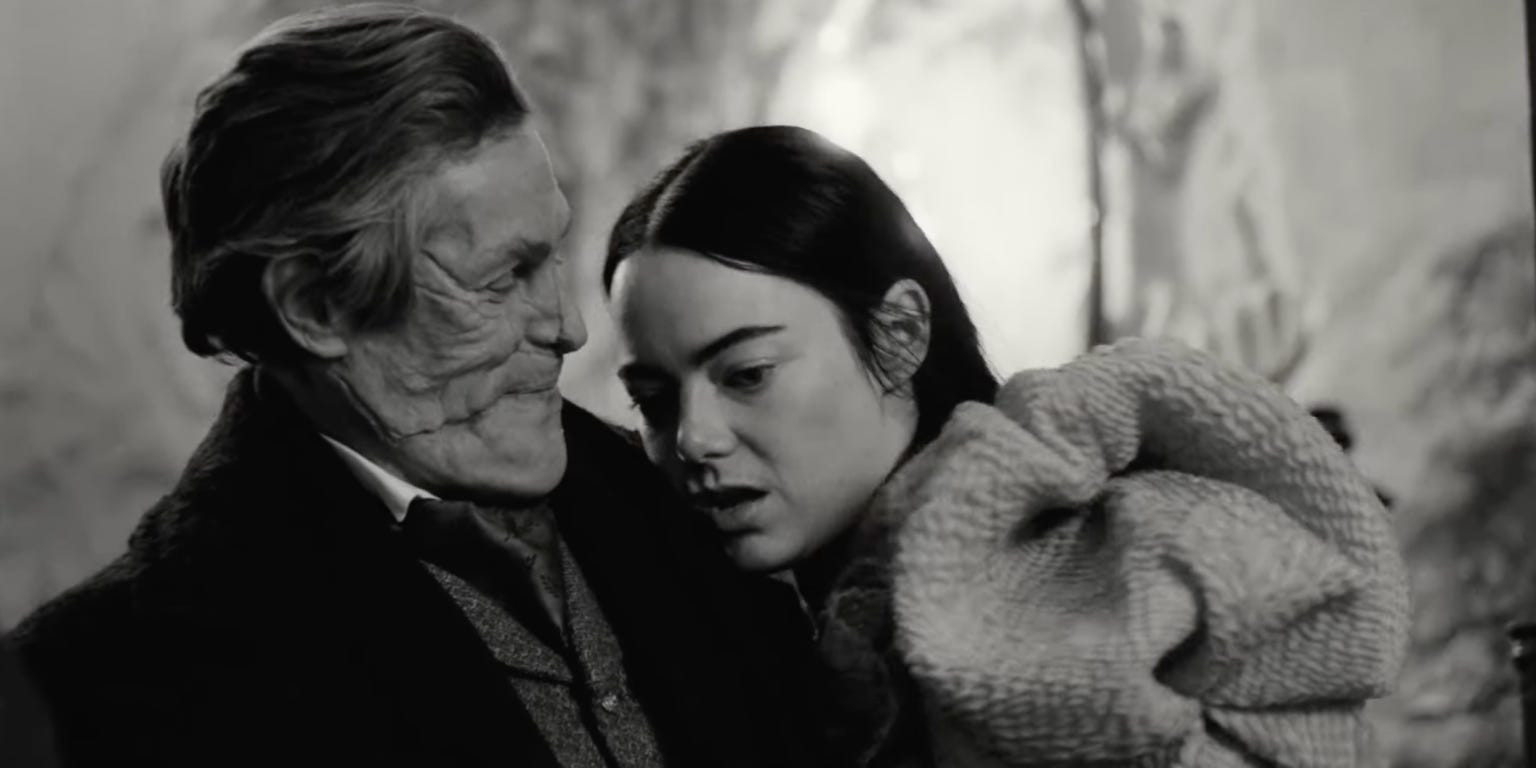
Nevertheless, as Glasgow’s closest thing to ‘Bloomsday’ (the annual festival Dubliners dedicate to James Joyce) the event gave me plenty to think about. There are the contradictions inherent of course, in turning an artist who loved nothing more than to worry the grout shoring up any and all establishments on offer into something of a brand. And yet…memory is fleeting and ritual offers one way of preserving something of it. The street-cred of the forgotten and recovered artist ages poorly. So I sipped a non-alcoholic beer and enjoyed Tam Dean Burn’s rendition of ‘The Star’ immensely as I happily coloured in the masks based on Gray’s illustrations for Unlikely Stories Mostly with my 4 year old daughter.
As I listened to ‘The Star’ I found it remarkable that despite his reputation as a uniquely visual writer, Gray’s work truly sings when read (helped in no small part by Burn’s own viruosity). Gray drew with brush and pen, but also with words themselves - his phrases have the same crisp coherence of his drawn lines.
Which is why I would say, Gray also wrote some of the best words ever on drawing - as a practice but also as a way of thinking about the world, of extending our empathy with it. He buried it deep in his celebrated bildungsroman-cum-dystopian allegory, Lanark:
After sketching bulbs and boxes the class was given plants, fossils and small stuffed tropical birds. Thaw let his eyes explore like an insect the spiral architecture of a tiny seashell while his pencil point marked some paper with the eye’s discoveries. The teacher tried to correct him by rational argument. She said “Are you trying to make a pattern out of this, Duncan? I wish you wouldn’t. Just draw what you see.”
“I’m doing that Miss Mackenzie.”
“Then stop drawing everything with the same black harsh line. Hold the pencil lightly; don’t grip it like a spanner. The shell is a simple, delicate, rather lovely thing. Your drawing is like the diagram of a machine.”
'“But surely, Miss Mackenzie, the shell only seems delicate and simple because it’s smaller than we are. To the fish inside it was a suit of armour a house, a moving fortress.”
“Duncan, if I were a marine biologist I might care how the shell was used. As an artist my sole interest is in the appearance. I insist that it appears beautiful and delicate and should be drawn beautifully and delicately. There’s no need to show these little cracks. They’re accidental. Ignore them.”
“But Miss Mackenzie, the cracks show the shell’s nature - only this shell could crack in this way. It’s like the wart on Cromwell’s lip. Leave it out and it’s no longer a picture of Cromwell.”
“Alright, but please don’t make the wart as important as the lip. You’ve drawn these cracks as clearly as the edges of the shell itself.”
In this substack I am probably going to expend MANY MORE WORDS than Alasdair did on the subject of drawing and drawn things, of words ON pictures. But as a motivating goal, I think it is a good place to begin.
I will write quite a bit about dialectograms, the illustrative style I have developed and tried to perfect over the past decade with spare change. In the process of that, I will share what I can about the subjects they cover - mostly documentary and social in nature, the raw material of these big, awkward attempts to capture and honour what is real. I will show the little cracks, and the warts on the lip as clearly as I can.
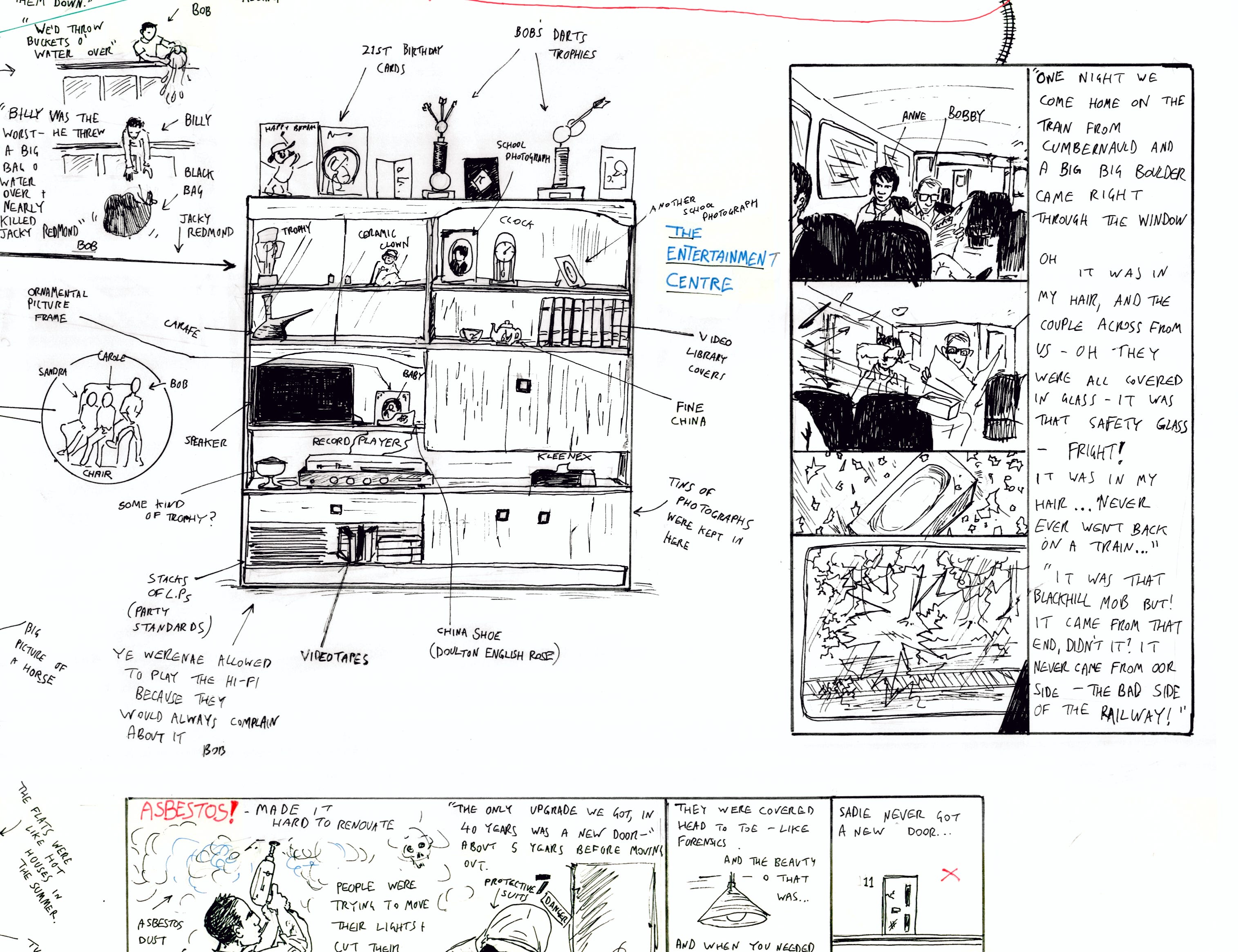
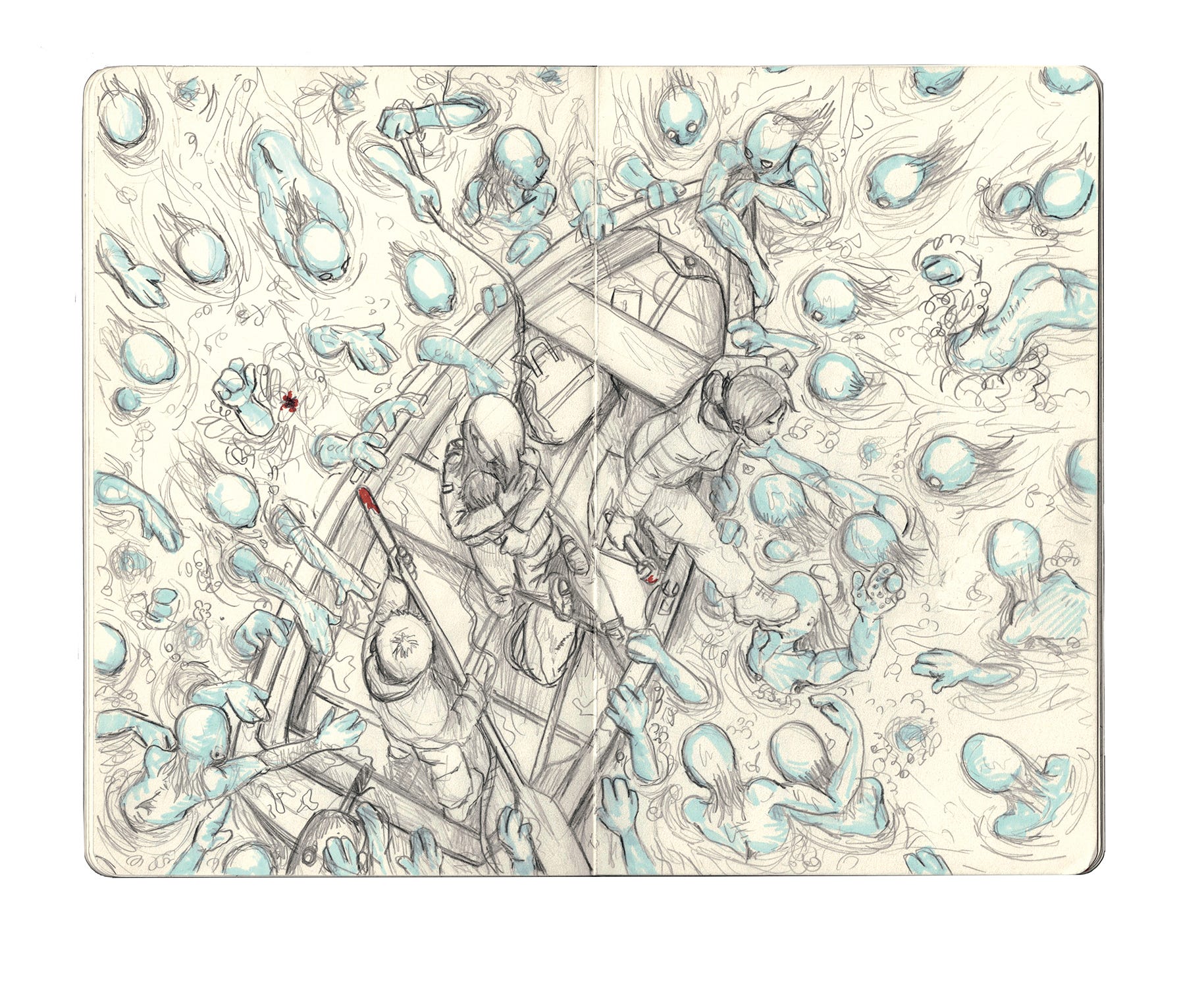
But dialectograms are not the only thing I do, or want to write about. You have to leaven your diet, and so you will find links to my wife Emma Lennox’s Substack on our shared graphic novel project, writings on comics and other aspects of Graphic Culture. And fairies:
So I hope you’ll consider following the various threads of this blog as I track the experience of being an artist documenting a world full of cracks, of warty lips and truths that go beyond the sole interest of what is beautiful.